Home / Crops / Dill
USA · Crop Guide

Dill

Cool-to-warm season herb grown for feathery leaves, flowers, and seeds.

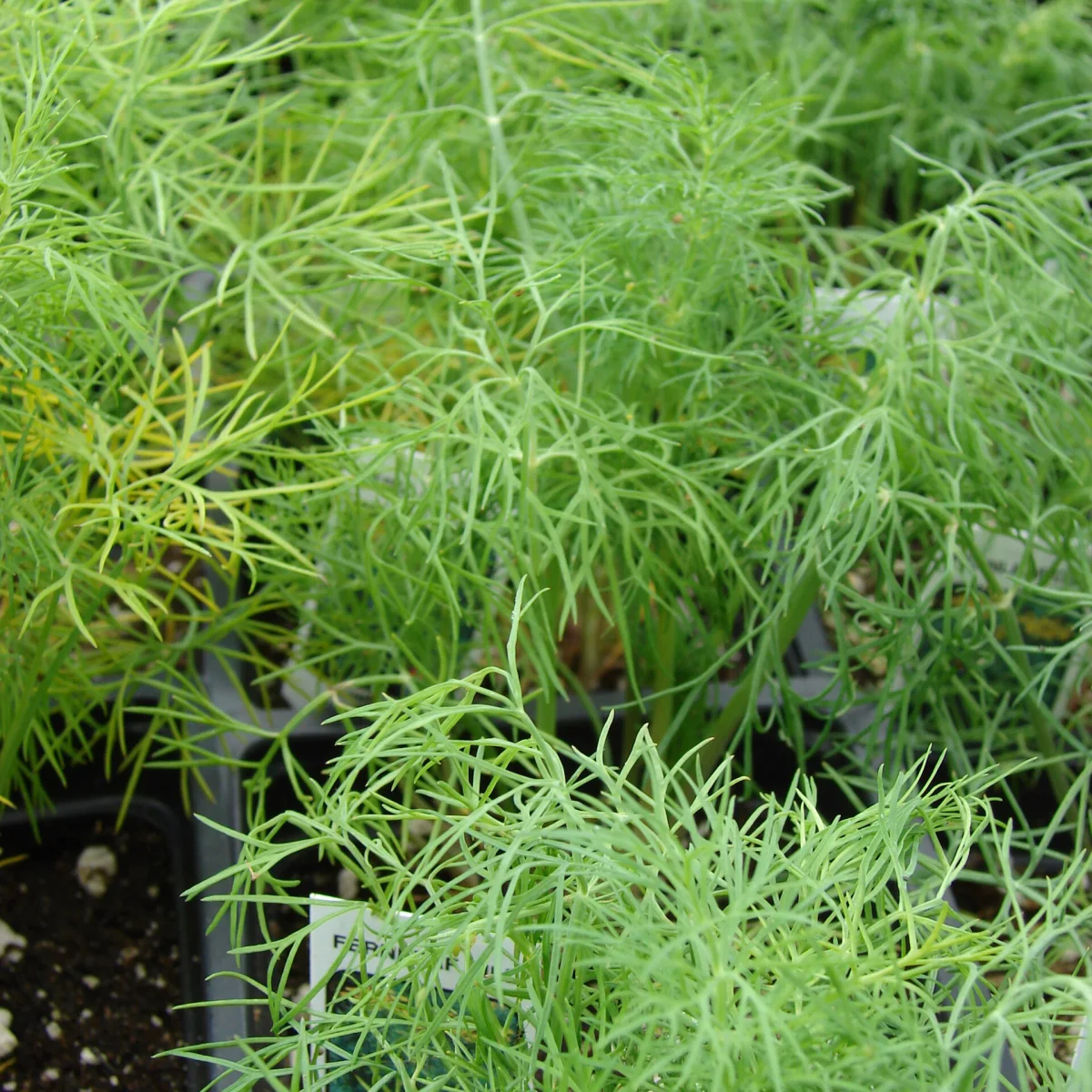
Representative image of Dill
Anethum graveolens (habit). Location: Maui, Kula Ace Hardware and Nursery · Forest & Kim Starr · CC BY 3.0
USDA Zone Suitability

Dill

No suitability record has been added for Dill .

When to Plant

Local planting windows for USA are not yet available.

Edaphia does not yet have local planting-window guidance for USA.

Growing Details

Local planting details are not yet available for this location.

Fertilizer

No fertilizer recommendation has been added for Dill yet.

Expected Pests, Diseases & Disorders

Select “View info” for identifying symptoms, favorable conditions, prevention, and management. Reference photos are shown when available.

Disease 6
Powdery mildew Erysiphales (multiple genera and species) Common
Seedling damping-off Pythium spp.; Rhizoctonia solani; Fusarium spp.; others Common
Gray mold / Botrytis rot Botrytis cinerea Common
Southern blight Athelia rolfsii (syn. Sclerotium rolfsii) Common
Vegetable mosaic virus complex Cucumber mosaic virus; Watermelon mosaic virus; Zucchini yellow mosaic virus; others Common
Aster yellows Candidatus Phytoplasma asteris and related phytoplasmas Common
Pest 7
Aphids Aphididae Common
Thrips Thripidae (several species) Common
Cutworms Noctuidae (several species) Common
Vegetable leafminers Liriomyza spp.; Pegomya spp. Common
Slugs and snails Gastropoda (several species) Common
Fungus gnats Bradysia spp. Common
Cottontail rabbits Sylvilagus spp. Common

Companion Planting

Plant Partners for Dill

Companion suggestions are grouped by how they may help, support, or conflict with this crop in the garden.

Support Plants

These plants can help attract pollinators, beneficial insects, or provide garden support nearby.

Broccoli

Beneficial insects

Dill flowers can attract small beneficial insects near brassica beds. Focus: beneficial insects

Traditional guidance Source: UVM Biodiverse Vegetable Garden

Brussels Sprouts

Beneficial insects

Dill flowers can attract beneficial insects near brassica beds. Focus: beneficial insects

Traditional guidance Source: UVM Biodiverse Vegetable Garden

Cabbage

Beneficial insects

Dill flowers can attract small beneficial insects near cabbage beds. Focus: beneficial insects

Traditional guidance Source: UVM Biodiverse Vegetable Garden

Cauliflower

Beneficial insects

Dill flowers can attract small beneficial insects near cauliflower beds. Focus: beneficial insects

Traditional guidance Source: UVM Biodiverse Vegetable Garden

Cucumbers

Beneficial insects

Dill flowers can attract beneficial insects near cucumber vines. Focus: beneficial insects

Traditional guidance Source: UVM Biodiverse Vegetable Garden

Rotation Notes

No crop rotation notes have been added for Dill yet.

Crop Reference

Scientific Name
Anethum graveolens
Crop Type
Herb
Default Method
Direct Seed
Growing Notes
Direct seed where plants will grow because dill dislikes root disturbance. Succession sow for fresh leaves. Allow some plants to flower for beneficial insects.
Harvest Notes
Harvest leaves before flowering for best leaf quality. Harvest seed heads when seeds mature and dry.
Storage Notes
Use fresh leaves soon after cutting, dry leaves for short-term pantry use, or save dried seeds.
My Garden Feature

Keep a Journal for Dill

Save planting notes, upload photos, track weather and pest issues, record harvests, and build a history of what works in your garden.

Create a free account to add Dill to My Garden and start keeping notes for your own planting.

Back to top