
Home / Crops / Cabbage
USA · Crop Guide

Cabbage

Cool-season brassica grown for firm leafy heads.

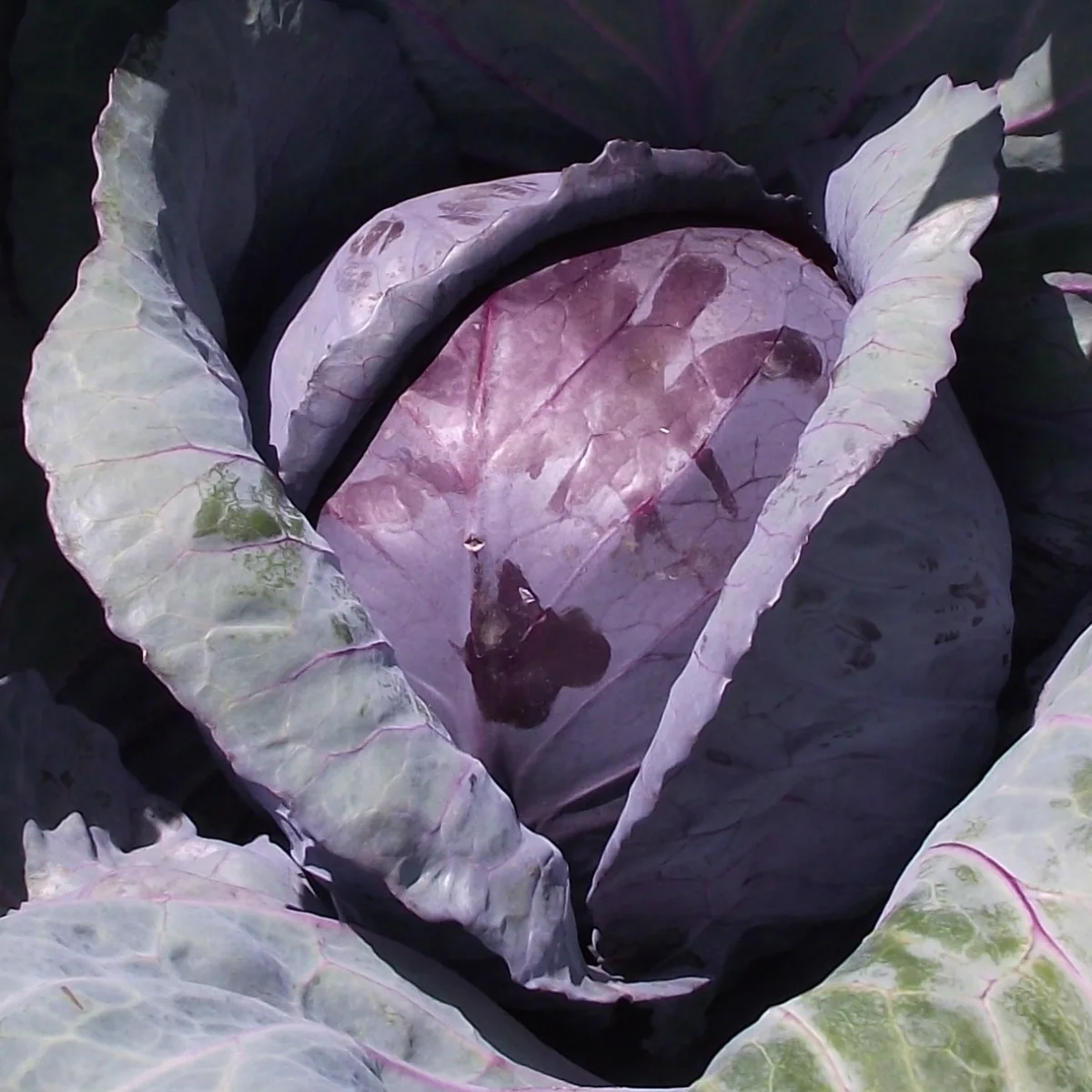
Representative image of Cabbage
Red cabbage at the San Diego County Fair, California, USA. Identified by exhibitor's sign. · Stickpen · Public domain
USDA Zone Suitability

Cabbage

No suitability record has been added for Cabbage .

When to Plant

Local planting windows for USA are not yet available.

Edaphia does not yet have local planting-window guidance for USA.

Growing Details

Local planting details are not yet available for this location.

Fertilizer

Cole crops

5-6 pounds 8-8-8 or 3-4 pounds 8-24-24 per 100 feet of row or 300 square feet.

Side-dress: Three to four weeks after transplanting and again in two to three weeks.

One quart of fertilizer weighs about 2 pounds. First analysis listed is the preferred blend. General recommendations assume average soil fertility; LSU recommends soil testing at least every three years.

Expected Pests, Diseases & Disorders

Select “View info” for identifying symptoms, favorable conditions, prevention, and management. Reference photos are shown when available.

Disease 9
Downy mildew Peronosporaceae (crop-specific species) Common
Seedling damping-off Pythium spp.; Rhizoctonia solani; Fusarium spp.; others Common
Gray mold / Botrytis rot Botrytis cinerea Common
White mold / Sclerotinia rot Sclerotinia sclerotiorum; Sclerotinia minor Common
Clubroot of brassicas Plasmodiophora brassicae Major host
Alternaria leaf spot of brassicas Alternaria brassicae; Alternaria brassicicola Major host
Cercospora leaf spot Cercospora beticola and related Cercospora spp. Common
Black rot of crucifers Xanthomonas campestris pv. campestris Major host
Bacterial soft rot Pectobacterium spp.; Dickeya spp. Common
Pest 14
Aphids Aphididae Common
Whiteflies Aleyrodidae Common
Flea beetles Alticini (several species) Common
Cutworms Noctuidae (several species) Common
Imported cabbageworm Pieris rapae Major host
Cabbage looper Trichoplusia ni Major host
Diamondback moth Plutella xylostella Major host
Vegetable leafminers Liriomyza spp.; Pegomya spp. Common
Cabbage maggot Delia radicum Major host
Harlequin bug Murgantia histrionica Major host
Slugs and snails Gastropoda (several species) Common
White-tailed deer Odocoileus virginianus Common
Cottontail rabbits Sylvilagus spp. Common
Groundhog / woodchuck Marmota monax Common

Companion Planting

Plant Partners for Cabbage

Companion suggestions are grouped by how they may help, support, or conflict with this crop in the garden.

Good Companions

These plants are commonly paired with Cabbage for shared growing benefits.

Onions, Bulb

Good nearby

Alliums can fit near brassicas when spacing and fertility needs are managed. Focus: space sharing / aromatic crop

Traditional guidance Source: UMN Companion Planting

Support Plants

These plants can help attract pollinators, beneficial insects, or provide garden support nearby.

Dill

Beneficial insects

Dill flowers can attract small beneficial insects near cabbage beds. Focus: beneficial insects

Traditional guidance Source: UVM Biodiverse Vegetable Garden

Avoid Planting Near

These plants may compete, attract shared pests, or otherwise make poor neighbors.

Broccoli

Use caution

Can compete for nutrients.

Traditional guidance Source: The Ultimate Homestead

Rotation Notes

Crop Family
Brassicaceae / Cole crop
Rotate After
Rotate this crop family out of the same bed after harvest.
Avoid Following
Avoid planting the same family in the same bed more than once every three to four years. Same family: Brassicaceae / Cole crop.
Good Following Crops
Use an unrelated crop family next. Legumes can be useful after heavy feeders, but adjust fertility to avoid excess leafy growth.
Notes
Rotation helps reduce soil-borne disease and common soil pests. Smaller raised beds or divided zones make this easier to track.

Crop Reference

Scientific Name
Brassica oleracea var. capitata
Crop Type
Vegetable
Default Method
Transplant
Growing Notes
Grow in cooler weather and keep plants growing steadily. Uneven moisture can contribute to splitting. Scout for cabbage worms, loopers, aphids, and leaf diseases.
Harvest Notes
Harvest when heads are firm and full-sized for the variety. Do not wait too long after maturity, especially during wet or warm weather.
Storage Notes
Refrigerate heads after harvest. Remove loose or damaged outer leaves before storing.
My Garden Feature

Keep a Journal for Cabbage

Save planting notes, upload photos, track weather and pest issues, record harvests, and build a history of what works in your garden.

Create a free account to add Cabbage to My Garden and start keeping notes for your own planting.

Back to top