
Home / Crops / Yarrow
USA · Crop Guide

Yarrow

Perennial flower with flat-topped blooms that attract beneficial insects.

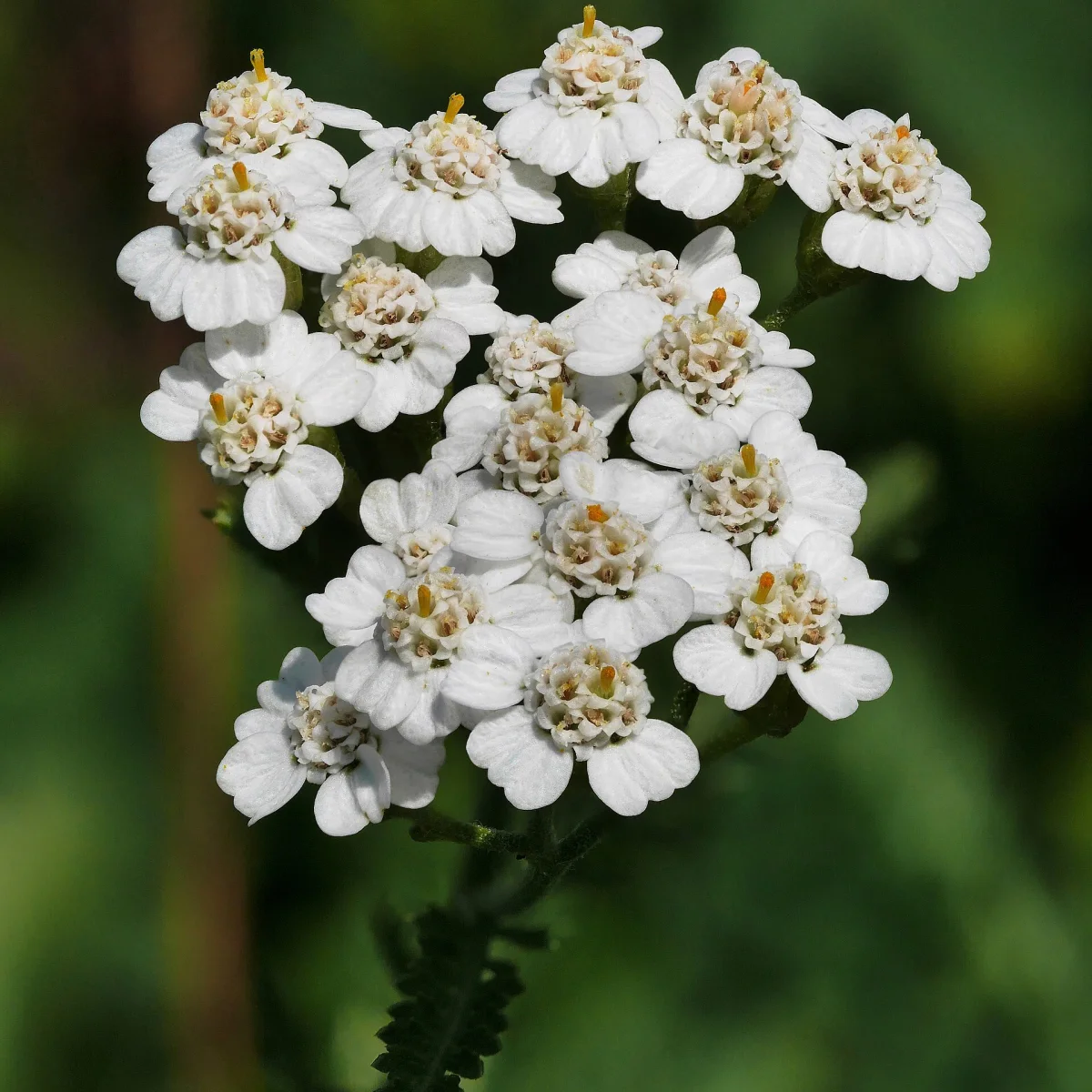
Representative image of Yarrow
Yarrow (Achillea millefolium) on top of Janče hill (800 m), Slovenia. Size of flower is around 3×3 cm. Stack of 9 macro photos. · Petar Milošević · CC BY-SA 4.0
USDA Zone Suitability
Regional Suitability

A reviewed rating of expected performance in a stated scope. Unknown is not the same as Not Suitable.

Learn more

Yarrow

No suitability record has been added for Yarrow .

When to Plant

Planting Window

A useful range for a planting action, not an order to plant on one exact day.

Learn more

Showing planting windows for Yarrow for USA.

No planting-window records were found for this crop for USA.

Growing Details

Recommended Method
Growing Method

The material and action used to begin the crop: seed, transplant, set, bulb, crown, root, or slip.

Learn more
Either
Indoor Seed Starting
Starting Seeds Indoors

Count this many weeks backward from the recommended outdoor transplant date.

Learn more
6–10 weeks before transplant
Sun Requirement
Full sun to partial shade; confirm the species-specific light requirement in the crop references.
Water Notes
Keep soil evenly moist during germination and establishment, then water according to species, heat, rainfall, and drainage. Avoid waterlogging.
Soil Notes
Use well-drained soil with organic matter and correct documented pH or nutrient problems from a soil test.
General Notes
National pollinator-garden baseline. Species-specific light, moisture, and perennial establishment requirements take precedence.

Fertilizer

How to choose: Start with one option that matches your immediate goal. Use quick-release options for rapid correction, slow-release or organic options for steadier feeding, and follow label rates plus local soil-test guidance.
These are alternatives, not a combined recipe. Pick one approach that matches your goal and timing, then follow product-label rates and local soil-test guidance. Do not mix multiple fertilizers unless the product labels explicitly allow it.
Soil-Analysis Flower Fertility Plan
Not rated yet

For: Yarrow

Start here first: This is the first-listed option for this crop.

Type: Other

Dose: Follow product label

Good fit: Fast correction

Base flower-bed fertility on soil testing and plant performance rather than routine high-phosphorus bloom products.

Application: Compatibility: not established; verify both product labels and apply separately unless the labels explicitly permit combining them. Always follow product-label rates for crop stage and local conditions. Rate: Follow product label. Caution: Do not combine products unless both labels permit the combination. Amend confirmed deficiencies before planting. Use a balanced product at label rate only when indicated; excess nitrogen can reduce flowering and create weak growth.

Source: Virginia Cooperative Extension

Balanced Flower Inherited: Flowers & Beneficials
Not rated yet

For: Yarrow

Type: Slow Release

Stage: Pre-plant

Goal: Root development

Dose: Follow product label

Good fit: Steady feeding

Recommended for Flowers & Beneficials. Use stage: Pre Plant. Primary goal: Root Development. Incorporate before planting.

Application: How to use: Top-dressSpread fertilizer on the soil surface around the plant and water it in.. Dosing limit: max 1 applications per cycle. Compatibility: do not mix with fresh_manure. Always follow product-label rates for crop stage and local conditions. Rate: Follow product label. Caution: Do not combine products unless both labels permit the combination.

Incorporate before planting.

Slow-Release Bloom Formula Inherited: Flowers & Beneficials
Not rated yet

For: Yarrow

Type: Slow Release

Stage: Flowering

Goal: Flowering / fruiting

Dose: Follow product label

Good fit: Steady feeding

Recommended for Flowers & Beneficials. Use stage: Flowering. Primary goal: Flowering/fruiting. Supports continuous bloom.

Application: How to use: Granular side-dressApply fertilizer in a narrow band beside the row or plant base, keeping material off stems and leaves.. Dosing frequency: every 21 days. Dosing limit: max 3 applications per cycle. Compatibility: do not mix with high_nitrogen. Always follow product-label rates for crop stage and local conditions. Rate: Follow product label. Caution: Do not combine products unless both labels permit the combination.

Supports continuous bloom.

More options2
Balanced Light Inherited: Flowers & Beneficials
Not rated yet

For: Yarrow

Type: Slow Release

Stage: Vegetative

Goal: Leafy growth

Dose: Follow product label

Good fit: Steady feeding

Recommended for Flowers & Beneficials. Use stage: Vegetative. Primary goal: Leafy Growth. Avoid excessive foliage.

Application: How to use: Granular side-dressApply fertilizer in a narrow band beside the row or plant base, keeping material off stems and leaves.. Dosing frequency: every 30 days. Dosing limit: max 1 applications per cycle. Compatibility: do not mix with high_nitrogen. Always follow product-label rates for crop stage and local conditions. Rate: Follow product label. Caution: Do not combine products unless both labels permit the combination.

Avoid excessive foliage.

Compost Inherited: Flowers & Beneficials
Not rated yet

For: Yarrow

Type: Slow Release

Stage: Maintenance

Goal: General maintenance

Dose: Follow product label

Good fit: Steady feeding

Recommended for Herbs. Use stage: Maintenance. Primary goal: General Maintenance. Use light feeding only.

Application: How to use: Top-dressSpread fertilizer on the soil surface around the plant and water it in.. Dosing frequency: every 60 days. Dosing limit: max 2 applications per cycle. Compatibility: not established; the legacy record names no specific conflict, but both product labels must still permit combining them. Always follow product-label rates for crop stage and local conditions. Rate: Follow product label. Caution: Do not combine products unless both labels permit the combination.

Light annual feeding for established plants.

Expected Pests, Diseases & Disorders

Select “View info” for identifying symptoms, favorable conditions, prevention, and management. Reference photos are shown when available.

Disease 7
Powdery mildew Erysiphales (multiple genera and species) Common
Seedling damping-off Pythium spp.; Rhizoctonia solani; Fusarium spp.; others
Gray mold / Botrytis rot Botrytis cinerea Common
Southern blight Athelia rolfsii (syn. Sclerotium rolfsii) Common
Vegetable mosaic virus complex Cucumber mosaic virus; Watermelon mosaic virus; Zucchini yellow mosaic virus; others Common
Tomato spotted wilt Tomato spotted wilt orthotospovirus (TSWV)
Aster yellows Candidatus Phytoplasma asteris and related phytoplasmas Common
Pest 10
Aphids Aphididae Common
Whiteflies Aleyrodidae
Thrips Thripidae (several species) Common
Two-spotted spider mite Tetranychus urticae Common
Cutworms Noctuidae (several species)
Japanese beetle Popillia japonica Common
Slugs and snails Gastropoda (several species) Common
Fungus gnats Bradysia spp. Common
Cottontail rabbits Sylvilagus spp. Common
Birds (seed and fruit feeders) Aves (multiple species) Common

Companion Planting

Plant Partners for Yarrow

Companion suggestions are grouped by how they may help, support, or conflict with this crop in the garden.

Support Plants

These plants can help attract pollinators, beneficial insects, or provide garden support nearby.

Marigold

Beneficial insects

Flower diversity can support beneficial insects across the garden. Focus: beneficial insects

Practical guidance Source: UVM Biodiverse Vegetable Garden

Rotation Notes

Crop Family
Aster Family (Asteraceae)
Return Interval
Wait at least 2 years before planting this crop family in the same bed again.
Soil Effect
light_feeder
Follow With
Follow with a fruiting crop or legume.
Family Guidance
Lettuce, endive, artichoke, sunflower, calendula, marigold, chamomile, and related crops share this family.

Crop Reference

Scientific Name
Achillea millefolium
Crop Type
Flower
Default Method
Transplant
Growing Notes
Start from transplants or divisions. Grow in full sun with well-drained soil. Avoid overwatering.
Harvest Notes
Harvest flowers for fresh or dried arrangements, or leave them for beneficial insects.
Storage Notes
Dry flower stems upside down in a shaded, airy place if saving for arrangements.
My Garden Feature

Keep a Journal for Yarrow

Save planting notes, upload photos, track weather and pest issues, record harvests, and build a history of what works in your garden.

Create a free account to add Yarrow to My Garden and start keeping notes for your own planting.

Back to top