
Home / Crops / Greens, Mustard and Turnip
USA · Crop Guide

Greens, Mustard and Turnip

Fast-growing cool-season greens grown for tender leaves.

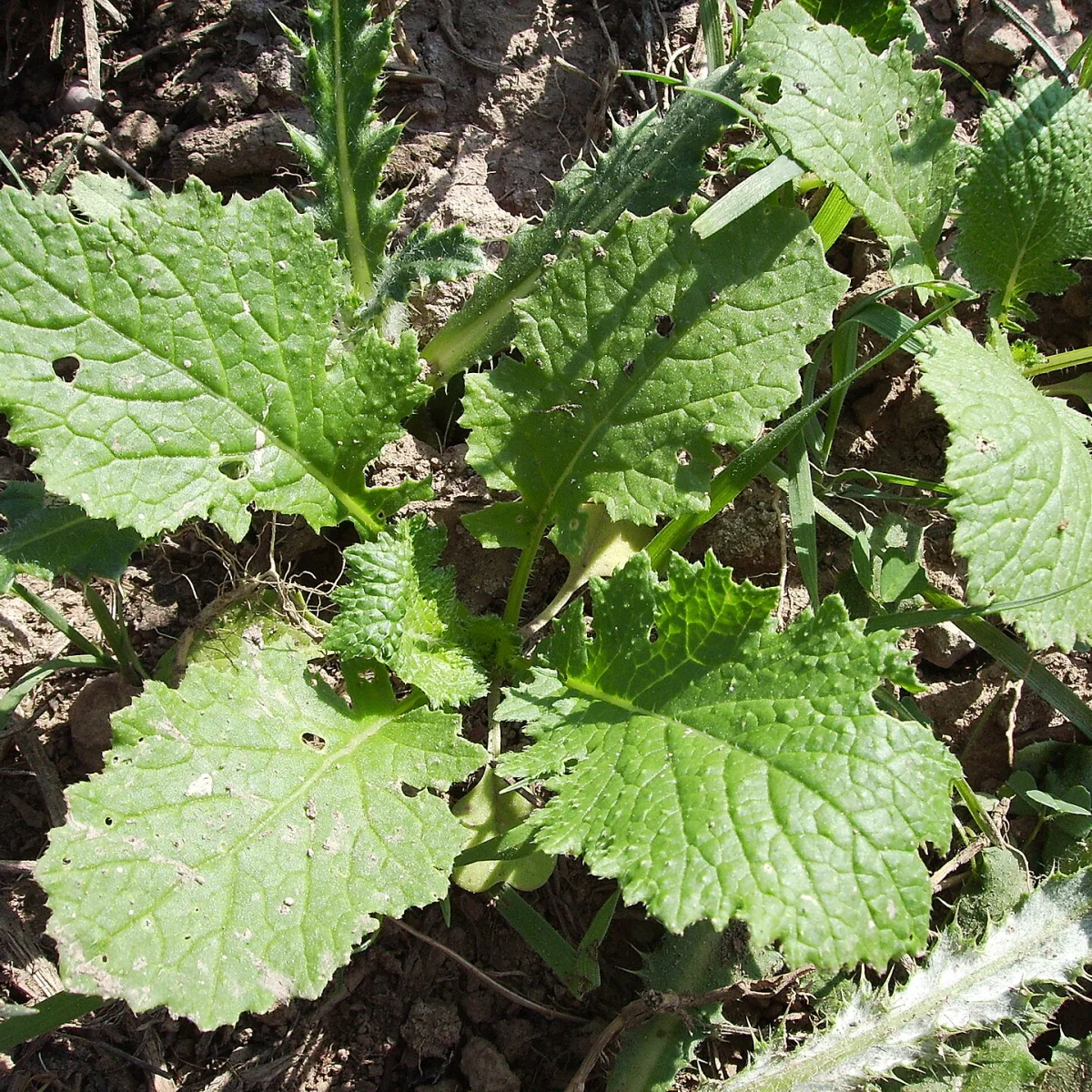
Representative image of Greens, Mustard and Turnip
Image:Grelos.jpg My own work Castelltallat Catalonia.September 4 2006 · No machine-readable author provided. Victor M. Vicente Selvas assumed (based on copyright claims). · Public domain
USDA Zone Suitability

Greens, Mustard and Turnip

No suitability record has been added for Greens, Mustard and Turnip .

When to Plant

Local planting windows for USA are not yet available.

Edaphia does not yet have local planting-window guidance for USA.

Growing Details

Local planting details are not yet available for this location.

Fertilizer

No fertilizer recommendation has been added for Greens, Mustard and Turnip yet.

Expected Pests, Diseases & Disorders

Select “View info” for identifying symptoms, favorable conditions, prevention, and management. Reference photos are shown when available.

Disease 10
Downy mildew Peronosporaceae (crop-specific species) Common
Seedling damping-off Pythium spp.; Rhizoctonia solani; Fusarium spp.; others Common
Gray mold / Botrytis rot Botrytis cinerea Common
White mold / Sclerotinia rot Sclerotinia sclerotiorum; Sclerotinia minor Common
Clubroot of brassicas Plasmodiophora brassicae Major host
Alternaria leaf spot of brassicas Alternaria brassicae; Alternaria brassicicola Major host
Cercospora leaf spot Cercospora beticola and related Cercospora spp. Common
Black rot of crucifers Xanthomonas campestris pv. campestris Major host
Bacterial soft rot Pectobacterium spp.; Dickeya spp. Common
Vegetable mosaic virus complex Cucumber mosaic virus; Watermelon mosaic virus; Zucchini yellow mosaic virus; others Common
Pest 15
Aphids Aphididae Common
Whiteflies Aleyrodidae Common
Flea beetles Alticini (several species) Common
Cutworms Noctuidae (several species) Common
Imported cabbageworm Pieris rapae Major host
Cabbage looper Trichoplusia ni Major host
Diamondback moth Plutella xylostella Major host
Vegetable leafminers Liriomyza spp.; Pegomya spp. Common
Cabbage maggot Delia radicum Major host
Harlequin bug Murgantia histrionica Major host
Slugs and snails Gastropoda (several species) Common
Fungus gnats Bradysia spp. Common
White-tailed deer Odocoileus virginianus Common
Cottontail rabbits Sylvilagus spp. Common
Groundhog / woodchuck Marmota monax Common

Companion Planting

Plant Partners for Greens, Mustard and Turnip

Companion suggestions are grouped by how they may help, support, or conflict with this crop in the garden.

Support Plants

These plants can help attract pollinators, beneficial insects, or provide garden support nearby.

Alyssum

Beneficial insects

Low flowers can support small beneficial insects near leafy greens. Focus: beneficial insects

Practical guidance Source: UVM Biodiverse Vegetable Garden

Rotation Notes

No crop rotation notes have been added for Greens, Mustard and Turnip yet.

Crop Reference

Scientific Name
Brassica juncea / Brassica rapa
Crop Type
Vegetable
Default Method
Direct Seed
Growing Notes
Direct seed into fertile, well-drained soil. Keep the seedbed moist during germination and thin young plants as needed. Scout for flea beetles, aphids, and caterpillars.
Harvest Notes
Harvest young leaves for tender greens or cut larger leaves as plants mature. Pick before plants bolt or become tough in warm weather.
Storage Notes
Refrigerate unwashed greens and use soon after harvest. Blanch and freeze extra greens for longer storage.
My Garden Feature

Keep a Journal for Greens, Mustard and Turnip

Save planting notes, upload photos, track weather and pest issues, record harvests, and build a history of what works in your garden.

Create a free account to add Greens, Mustard and Turnip to My Garden and start keeping notes for your own planting.

Back to top