
Home / Crops / Buckwheat
USA · Crop Guide

Buckwheat

Very fast broadleaf cover crop providing weed suppression, quick soil cover, and nectar for beneficial insects.

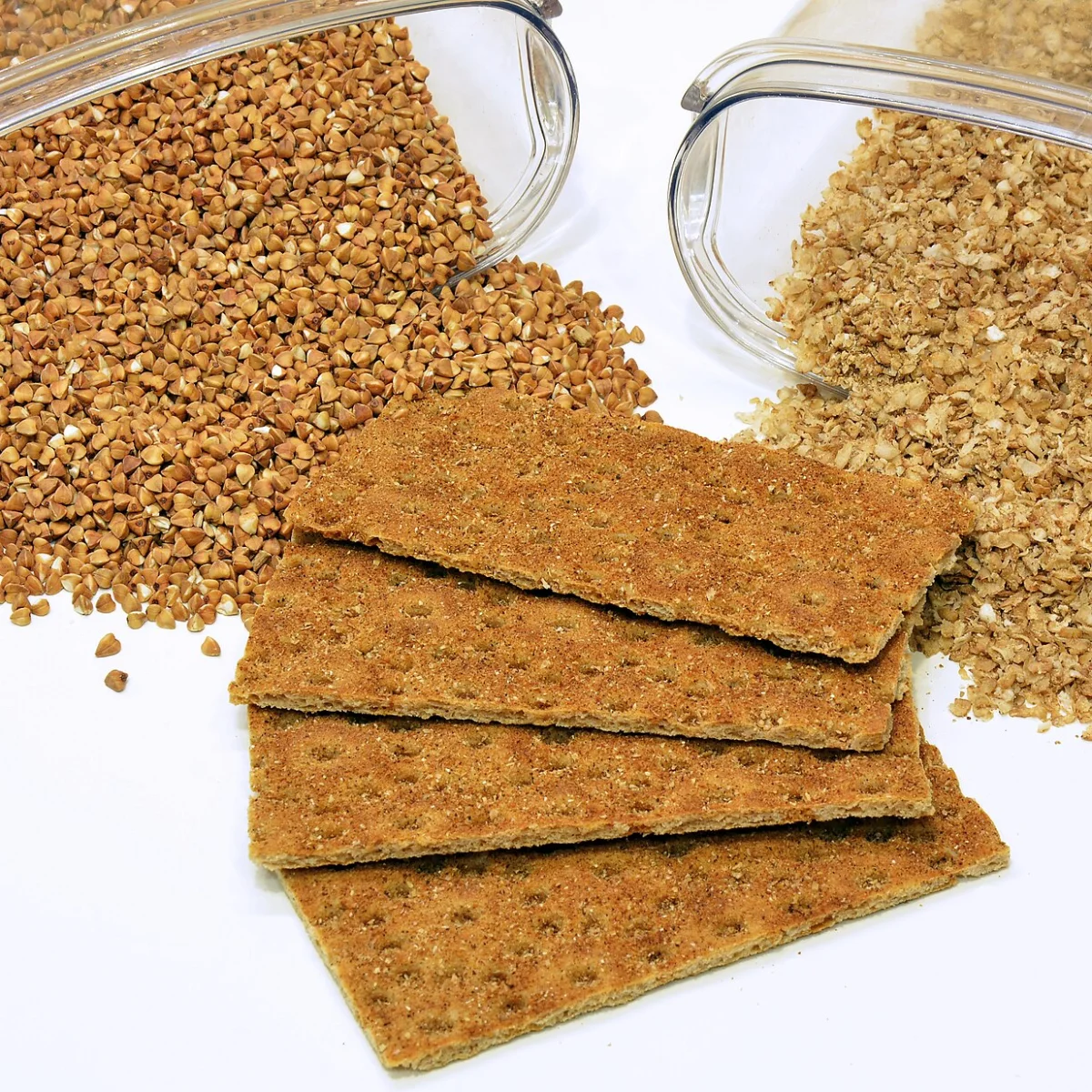
Representative image of Buckwheat
Buckwheat and products from it: buckwheat flakes (fast cooking), crispbread made of buckwheat flour. · Andrey Korzun · CC BY-SA 4.0
USDA Zone Suitability
Regional Suitability

A reviewed rating of expected performance in a stated scope. Unknown is not the same as Not Suitable.

Learn more

Buckwheat

No suitability record has been added for Buckwheat .

When to Plant

Planting Window

A useful range for a planting action, not an order to plant on one exact day.

Learn more

Showing planting windows for Buckwheat for USA.

No planting-window records were found for this crop for USA.

Growing Details

Recommended Method
Growing Method

The material and action used to begin the crop: seed, transplant, set, bulb, crown, root, or slip.

Learn more
Direct Seed
Sun Requirement
Full sun is the baseline; confirm species-specific shade tolerance and seasonal fit.
Water Notes
Keep the seedbed moist through germination and establishment, then adjust for rainfall and the selected cover-crop species. Avoid prolonged saturation.
Soil Notes
Prepare a firm, weed-managed seedbed and use a soil test to identify pH or nutrient limitations. Match the species to drainage and the intended garden purpose.
General Notes
National home-garden cover-crop baseline. Seeding rate, termination timing, winter survival, and nitrogen fixation are species- and region-specific.

Fertilizer

How to choose: Start with one option that matches your immediate goal. Use quick-release options for rapid correction, slow-release or organic options for steadier feeding, and follow label rates plus local soil-test guidance.
These are alternatives, not a combined recipe. Pick one approach that matches your goal and timing, then follow product-label rates and local soil-test guidance. Do not mix multiple fertilizers unless the product labels explicitly allow it.
Soil-Guided Nonlegume Cover Crop Plan
Not rated yet

For: Buckwheat

Start here first: This is the first-listed option for this crop.

Type: Other

Dose: Follow product label

Grow nonlegume cover crops for soil cover and biomass without turning them into a heavily fertilized cash crop.

Application: Compatibility: not established; verify both product labels and apply separately unless the labels explicitly permit combining them. Always follow product-label rates for crop stage and local conditions. Rate: Follow product label. Caution: Do not combine products unless both labels permit the combination. Use a soil test and the cover-crop objective. Avoid routine high nitrogen in a home garden; correct only a documented limitation and follow local Extension guidance.

Source: University of Georgia Cooperative Extension

Balanced Flower Inherited: Flowers & Beneficials
Not rated yet

For: Buckwheat

Type: Slow Release

Stage: Pre-plant

Goal: Root development

Dose: Follow product label

Good fit: Steady feeding

Recommended for Flowers & Beneficials. Use stage: Pre Plant. Primary goal: Root Development. Incorporate before planting.

Application: How to use: Top-dressSpread fertilizer on the soil surface around the plant and water it in.. Dosing limit: max 1 applications per cycle. Compatibility: do not mix with fresh_manure. Always follow product-label rates for crop stage and local conditions. Rate: Follow product label. Caution: Do not combine products unless both labels permit the combination.

Incorporate before planting.

Slow-Release Bloom Formula Inherited: Flowers & Beneficials
Not rated yet

For: Buckwheat

Type: Slow Release

Stage: Flowering

Goal: Flowering / fruiting

Dose: Follow product label

Good fit: Steady feeding

Recommended for Flowers & Beneficials. Use stage: Flowering. Primary goal: Flowering/fruiting. Supports continuous bloom.

Application: How to use: Granular side-dressApply fertilizer in a narrow band beside the row or plant base, keeping material off stems and leaves.. Dosing frequency: every 21 days. Dosing limit: max 3 applications per cycle. Compatibility: do not mix with high_nitrogen. Always follow product-label rates for crop stage and local conditions. Rate: Follow product label. Caution: Do not combine products unless both labels permit the combination.

Supports continuous bloom.

More options2
Balanced Light Inherited: Flowers & Beneficials
Not rated yet

For: Buckwheat

Type: Slow Release

Stage: Vegetative

Goal: Leafy growth

Dose: Follow product label

Good fit: Steady feeding

Recommended for Flowers & Beneficials. Use stage: Vegetative. Primary goal: Leafy Growth. Avoid excessive foliage.

Application: How to use: Granular side-dressApply fertilizer in a narrow band beside the row or plant base, keeping material off stems and leaves.. Dosing frequency: every 30 days. Dosing limit: max 1 applications per cycle. Compatibility: do not mix with high_nitrogen. Always follow product-label rates for crop stage and local conditions. Rate: Follow product label. Caution: Do not combine products unless both labels permit the combination.

Avoid excessive foliage.

Compost Inherited: Flowers & Beneficials
Not rated yet

For: Buckwheat

Type: Slow Release

Stage: Maintenance

Goal: General maintenance

Dose: Follow product label

Good fit: Steady feeding

Recommended for Herbs. Use stage: Maintenance. Primary goal: General Maintenance. Use light feeding only.

Application: How to use: Top-dressSpread fertilizer on the soil surface around the plant and water it in.. Dosing frequency: every 60 days. Dosing limit: max 2 applications per cycle. Compatibility: not established; the legacy record names no specific conflict, but both product labels must still permit combining them. Always follow product-label rates for crop stage and local conditions. Rate: Follow product label. Caution: Do not combine products unless both labels permit the combination.

Light annual feeding for established plants.

Expected Pests, Diseases & Disorders

Select “View info” for identifying symptoms, favorable conditions, prevention, and management. Reference photos are shown when available.

Disease 4
Powdery mildew Erysiphales (multiple genera and species)
Seedling damping-off Pythium spp.; Rhizoctonia solani; Fusarium spp.; others
Gray mold / Botrytis rot Botrytis cinerea
White mold / Sclerotinia rot Sclerotinia sclerotiorum; Sclerotinia minor
Pest 6
Aphids Aphididae
Two-spotted spider mite Tetranychus urticae
Cutworms Noctuidae (several species)
Slugs and snails Gastropoda (several species)
Wireworms Elateridae larvae
Birds (seed and fruit feeders) Aves (multiple species)

Companion Planting

Plant Partners for Buckwheat

Companion suggestions are grouped by how they may help, support, or conflict with this crop in the garden.

Support Plants

These plants can help attract pollinators, beneficial insects, or provide garden support nearby.

Phacelia

Beneficial insects

Phacelia provides nectar and pollen and attracts bees, butterflies, hover flies, and beneficial wasps.

Extension supported Source: OSU Extension PNW 550 — Beneficial Insects

Rotation Notes

Crop Family
Other Crops
Return Interval
Wait at least 2 years before planting this crop family in the same bed again.
Soil Effect
neutral
Follow With
Alternate with a known, unrelated family when possible.
Family Guidance
Use this temporary group until the crop receives a more specific family assignment.

Crop Reference

Scientific Name
Fagopyrum esculentum
Crop Type
Cover Crop
Default Method
Unknown
My Garden Feature

Keep a Journal for Buckwheat

Save planting notes, upload photos, track weather and pest issues, record harvests, and build a history of what works in your garden.

Create a free account to add Buckwheat to My Garden and start keeping notes for your own planting.

Back to top